Safety First: The Essential Guide to Riding Your Electric Scooter
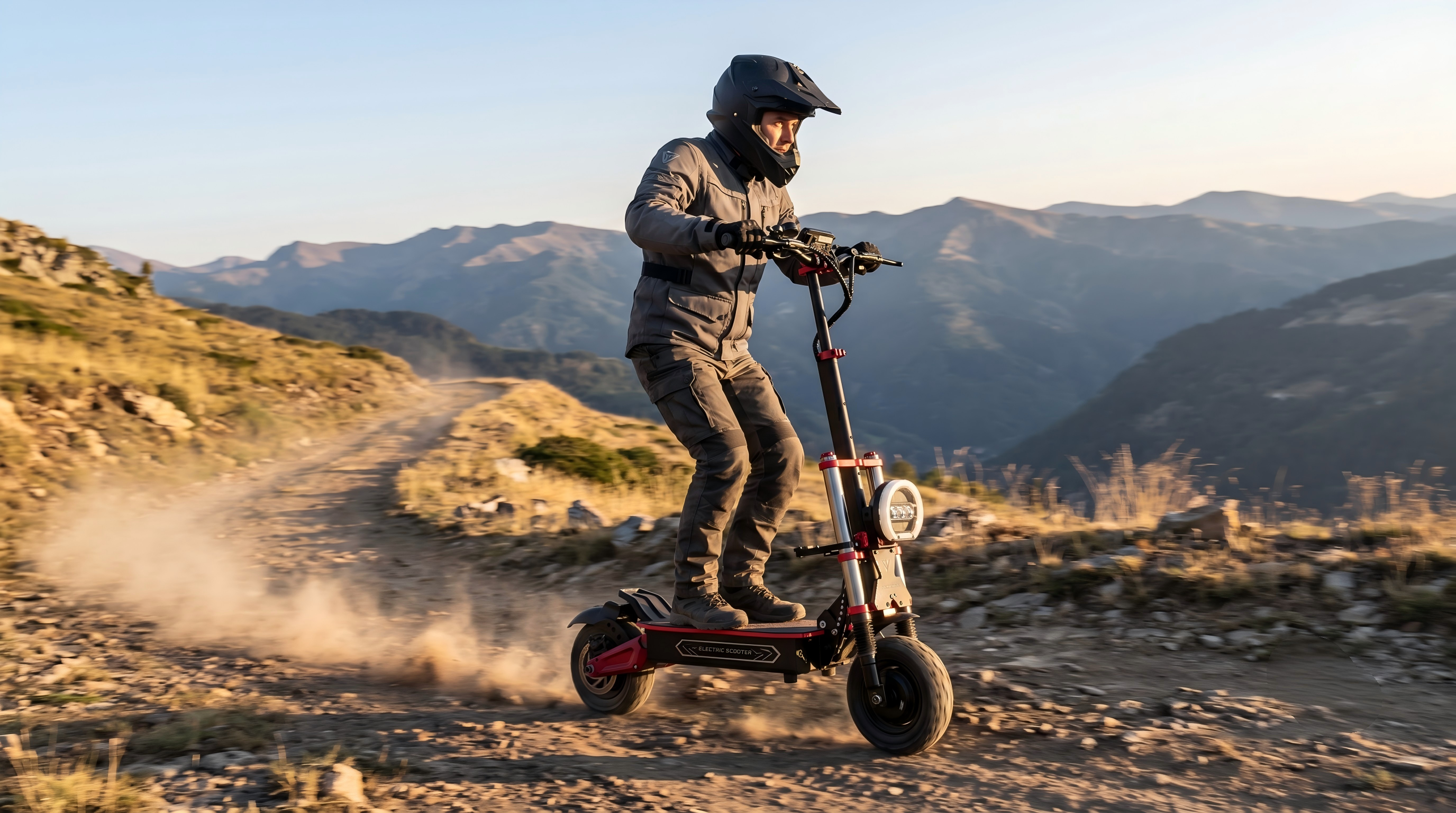
Master defensive riding, gear recommendations, and road safety tips to commute with confidence.
Safety First: The Essential Guide to Riding Your Electric Scooter Like a Pro
Electric scooters are revolutionizing urban mobility, offering a fast, eco-friendly, and convenient way to navigate the city. However, with the high performance of modern electric scooters, comes the critical responsibility of rider safety. Riding safely isn't just about wearing a helmet; it’s about cultivating a proactive, defensive mindset that anticipates hazards before they occur. This comprehensive guide will walk you through the essential safety protocols, gear requirements, and tactical riding techniques to help you master the road with confidence.
1. The Hierarchy of Protective Gear
Don't compromise on protection. When riding at speeds exceeding 20mph, standard bicycle gear is often insufficient.
- Full-Face Helmets (DOT or ECE Certified): A standard half-shell helmet leaves your face and jaw exposed. For high-speed scooters, a full-face helmet is the single most important investment you can make.
- Armor & Joint Protection: Invest in high-quality motorcycle gloves with palm sliders and reinforced knuckle protection. Knee and elbow pads with CE-level impact absorption can prevent life-changing road rash.
- Visibility Essentials: "See and be seen." Use high-visibility vests or LED-integrated backpacks. At night, ensure your scooter’s front and rear lights are unobstructed, and add reflective tape to your frame for 360-degree visibility.
2. The Art of Defensive Riding
The road is unpredictable. Adopting a defensive riding style means assuming that car drivers cannot see you, even when you have the right of way.
- Predictive Scanning: Maintain a "heads-up" posture, scanning 50-100 feet ahead. Look for opening car doors, debris, or pedestrians about to cross.
- The "Invisible" Rule: Stay out of the blind spots of large vehicles. If you cannot see the driver’s eyes in their side mirror, they cannot see you.
- Turning Protocols: Always use clear hand signals. Even if your scooter has turn signals, manual signals are more noticeable to car drivers.
- Maintaining Distance: Never tailgate. Provide yourself a 3-second buffer zone between you and the vehicle in front, allowing enough space for emergency braking.
3. Mastering Difficult Road Surfaces
Scooter wheels are small, making them highly sensitive to road imperfections.
- The "Painted Line" Hazard: Painted road markings (lane markers, crosswalks) become incredibly slippery when wet. Avoid braking or leaning while crossing these.
- Maneuvering Bumps: When approaching a speed bump or pothole, do not stay rigid. Bend your knees slightly to act as an extension of your scooter’s suspension, keeping your center of gravity low.
- Railroad Tracks: Always cross tracks at a 90-degree angle. Crossing at an angle can cause your wheels to get caught in the groove, leading to an immediate fall.
4. Pre-Ride Safety Checklist (The T-CLOCS System)
Before you head out, spend 60 seconds on the T-CLOCS inspection:
- Tires & Wheels: Check for proper pressure and ensure there are no cracks or embedded debris in the tires.
- Controls: Test both brakes. Ensure the throttle returns to the neutral position without sticking.
- Lights & Electrics: Ensure your headlight, taillight, and turn signals are fully functional.
- Chassis & Stand: Check that the folding mechanism is securely locked and the kickstand is fully retracted.
Conclusion: Ride with Confidence
Safety and performance are not mutually exclusive; they are partners. By choosing a vehicle with high-quality hydraulic braking systems, superior lighting, and a robust frame, you are investing in your own safety. Ready to experience a new level of secure, high-performance commuting? Check out ourNova X14 Dual Motor Scooter, which is engineered not just for power, but for maximum road stability and rider safety.