How to Maximize Your Scooter's Battery Life in Winter
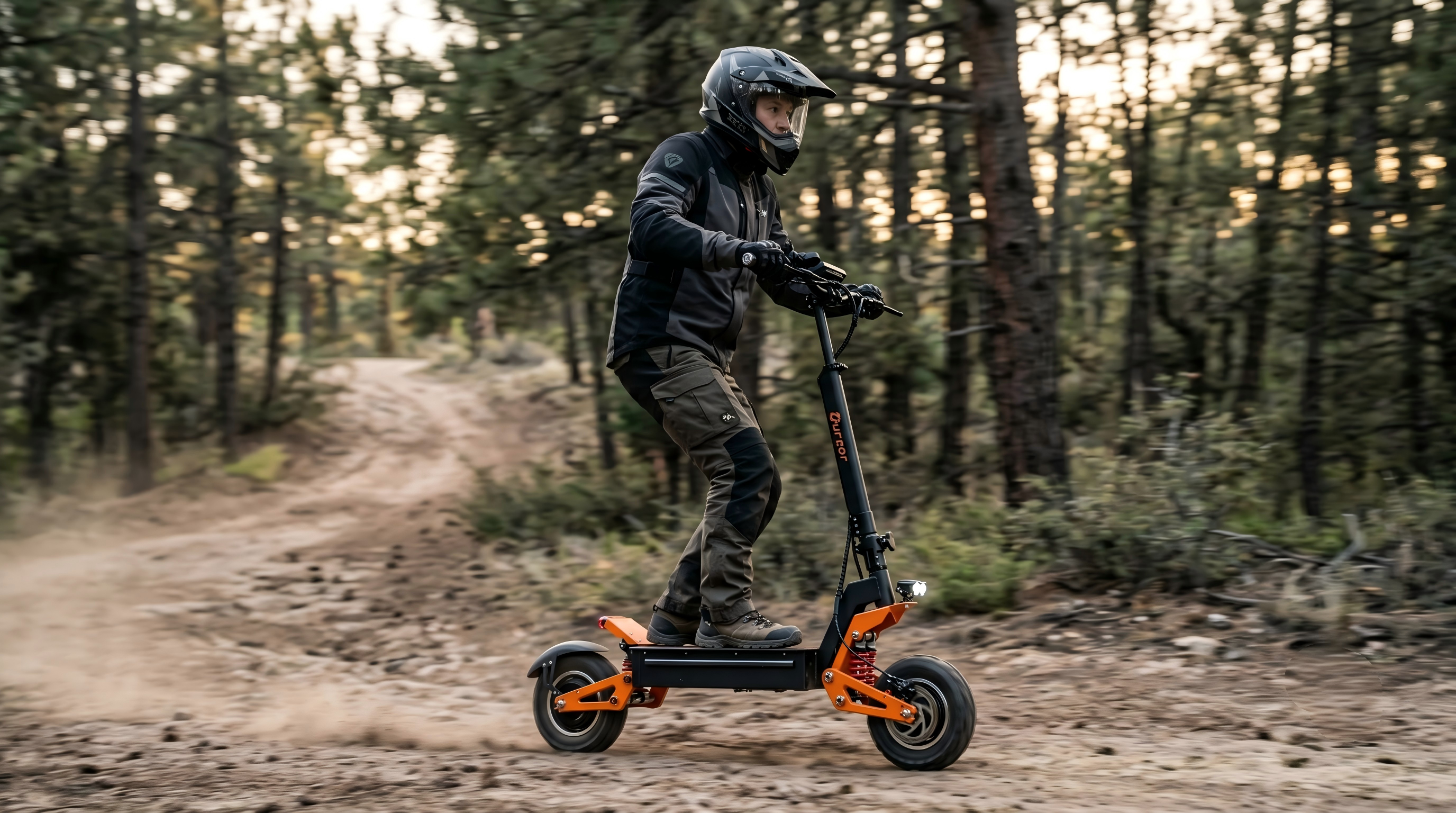
Cold weather can drastically reduce your lithium-ion battery performance. Follow these 5 pro tips to keep your range high during the winter months.
Beyond the Charge: The Ultimate Guide to Extending Your Electric Scooter’s Battery Life
Your electric scooter’s battery is not just its power source; it is the most expensive and sophisticated component of your ride. Many riders treat their batteries with a "charge and go" mentality, but understanding the chemistry behind lithium-ion technology is key to long-term performance. By adopting scientific battery maintenance habits, you can extend your scooter's battery life by over 30%, ensuring consistent power delivery, range stability, and safety during your daily commutes. This comprehensive guide covers everything you need to know about electric scooter battery maintenance.
1. The Golden Rule: Master the 20% - 80% Charge Range
Lithium-ion batteries are happiest when operating within a specific "comfort zone." Constantly hitting the extremes of 0% and 100% can trigger rapid chemical degradation.
- Avoid Deep Discharges: Frequently draining your battery to 0% induces significant voltage drops and stresses the individual cells. To maximize your scooter battery lifespan, try to plug in your charger when the battery reaches approximately 20% capacity.
- Don't Store at 100%: Keeping your battery at 100% state-of-charge (SoC) for extended periods—especially in high-temperature environments—accelerates capacity loss. Only charge to full capacity right before you plan to ride.
2. Temperature Management: The Silent Performance Killer
Temperature is the single biggest factor influencing lithium-ion battery health.
Summer Riding Tips: Many riders make the mistake of charging their scooter immediately after a high-speed, long-distance ride. The battery pack generates significant internal heat during use; charging it while hot accelerates chemical aging. Recommendation: Always allow your scooter to cool down in a well-ventilated area for at least 30 to 60 minutes before plugging in the charger.
Winter Precautions: Cold weather increases internal resistance, which temporarily reduces your range. More dangerously, charging a battery pack in sub-zero temperatures can lead to "lithium plating," causing permanent damage. Always store and charge your scooter in a climate-controlled, indoor environment during winter.
3. Why Quality Charging Matters
Using generic, cheap aftermarket chargers can be detrimental to your battery’s Battery Management System (BMS). High-quality chargers are designed to communicate with the BMS to monitor cell balancing. Using an incompatible or "fast charger" that provides excessive current can cause voltage imbalances among cells, leading to system errors, reduced range, and, in worst-case scenarios, safety risks. Always use the charger provided by the manufacturer.
4. Long-Term Storage Strategies
Planning to put your scooter away for a few months? Battery care is essential for off-season storage:
- Maintain Partial Charge: Never store a battery empty or fully charged. Aim for a 50%-60% charge level for long-term stability.
- Monthly Checks: Self-discharge is real. Check your battery voltage once a month to ensure it hasn't dropped into a "danger zone."
- Environment: Keep the scooter in a dry, cool place away from direct sunlight and humidity.
5. Professional Tips for Optimizing Daily Range
Beyond charging, your riding habits directly affect energy consumption:
- Smooth Acceleration: Avoid "full-throttle" takeoffs. Gradual acceleration reduces current spikes and heat generation, significantly improving energy efficiency.
- Check Tire Pressure: Low tire pressure increases rolling resistance. This forces the motor to work harder and drain more power from the battery.
FAQ: Common Battery Questions
Q1: Can I use an automotive battery charger for my scooter?
A: Absolutely not. Automotive chargers operate on different voltage profiles and current levels. Using one can cause severe, permanent damage to your scooter’s battery cells or create significant fire hazards.
Q2: Is it safe to ride my electric scooter in the rain?
A: While most modern scooters are designed to be water-resistant, they are not waterproof. Moisture ingress into the battery compartment is highly dangerous and can lead to short circuits. Always dry your scooter thoroughly before plugging it into a charger.
Q3: Why does my scooter's range drop significantly in winter?
A: Lithium-ion batteries experience increased internal resistance in cold temperatures, which reduces their capacity. This is a normal physical reaction; your range will typically recover once temperatures rise and the battery returns to its optimal operating temperature.
Q4: Should I wait until the battery is at 0% before charging?
A: No. In fact, deep discharging your battery to 0% is detrimental to its long-term health. It is much better to charge your scooter when the battery level is between 20% and 30% to avoid stressing the chemical structure of the cells.
Q5: How do I know if my battery is beginning to fail?
A: Warning signs include a sudden and drastic reduction in your scooter's range, the battery taking an unusually short amount of time to reach "full" charge, or the scooter shutting down suddenly under load (such as climbing a hill). If you notice these symptoms, please contact our technical support team for a professional assessment.
Ready to Upgrade Your Ride?
If you have implemented all these maintenance tips but still find your range inadequate for your daily commute, it may be time to transition to a vehicle with a higher-capacity battery pack and advanced intelligent BMS.
Explore our latest collection ofHigh-Performance Electric Scooters, engineered for reliability, endurance, and power. If you have specific questions about battery upgrades or model compatibility, our expert technical support team is here to help you get the most out of your ride.