How to Maintain an Electric Scooter in 2026? The Complete Maintenance Guide for Longer Battery Life
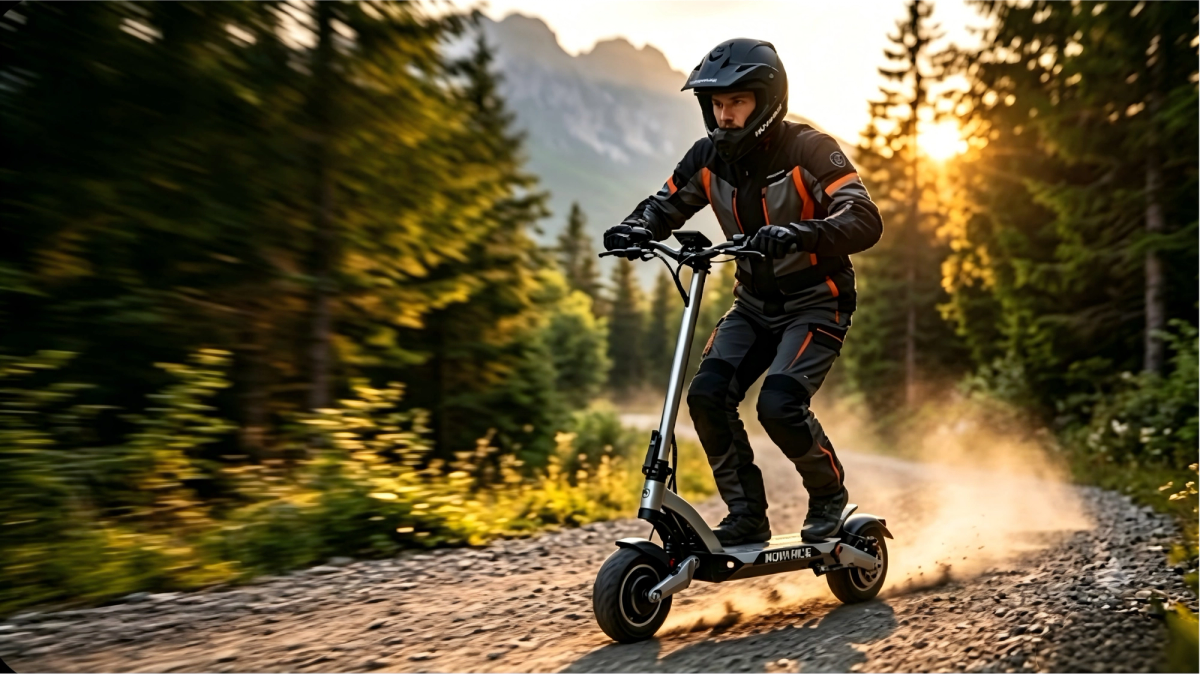
Electric scooters have become one of the most popular transportation options for commuters, outdoor enthusiasts, and urban riders. Whether you own a lightweight commuter scooter or a high-performance off-road model, regular maintenance is essential for keeping your scooter safe, reliable, and efficient. Many riders only think about maintenance after experiencing problems such as reduced battery range, worn tires, weak brakes, or unusual motor noises. However, preventive maintenance is far more effective—and much less expensive—than repairing damaged components. This complete 2026 maintenance guide explains everything you need to know about caring for your electric scooter. You'll learn how to maximize battery life, develop healthy charging habits, inspect tires and brakes, clean your scooter correctly, protect it from harsh weather, and perform regular safety checks. We also provide a practical maintenance schedule, common mistakes to avoid, and answers to frequently asked questions. Whether you're a first-time owner or an experienced rider, following these maintenance practices will help your scooter deliver better performance, lower maintenance costs, and a longer service life.
Why Is Electric Scooter Maintenance So Important?
Many people assume that electric scooters require little or no maintenance because they have fewer moving parts than gasoline-powered vehicles. While this is true to some extent, neglecting routine maintenance can still lead to expensive repairs, reduced performance, and safety risks.
Every ride places stress on your scooter's battery, tires, brakes, suspension, bearings, and electrical connections. Over time, normal wear and tear can reduce efficiency and increase the likelihood of mechanical failure. Small issues that are ignored today may become major repairs in the future.
For example, underinflated tires increase rolling resistance, forcing the motor and battery to work harder. This not only shortens your riding range but also accelerates tire wear. Similarly, worn brake pads can significantly increase stopping distance, creating unnecessary safety hazards.
Proper maintenance offers several important benefits:
- Extends battery lifespan and preserves riding range.
- Improves riding safety by ensuring brakes, tires, and lights function correctly.
- Reduces repair costs by identifying minor problems before they become serious.
- Maintains smoother acceleration and braking performance.
- Helps preserve your scooter's resale value.
- Increases overall reliability for daily commuting and long-distance rides.
Modern electric scooters represent a significant investment. Spending just a few minutes each week on basic inspections can save hundreds of dollars in repair costs while providing a safer and more enjoyable riding experience.
The good news is that most maintenance tasks require no special tools or professional mechanical experience. With a simple routine and a few good habits, almost every rider can keep their electric scooter performing like new for many years.
2. How Often Should You Maintain an Electric Scooter?
One of the most common questions new riders ask is, "How often should I maintain my electric scooter?" The answer depends on how frequently you ride, your riding environment, and the type of scooter you own. A scooter used for daily commuting requires more frequent inspections than one ridden occasionally on weekends.
Fortunately, electric scooter maintenance doesn't have to be complicated. Most routine inspections take only a few minutes and can prevent expensive repairs in the future.
The following maintenance schedule can help you keep your scooter in excellent condition throughout the year.
Before Every Ride
Performing a quick safety inspection before each ride only takes a minute or two but can significantly reduce the risk of accidents.
Check the following:
- Ensure the battery has enough charge for your planned trip.
- Test both front and rear brakes before riding.
- Inspect the tires for visible damage or low air pressure.
- Confirm that the throttle responds smoothly.
- Make sure the lights, horn, and display are functioning properly.
- Check that the folding mechanism is securely locked.
Developing this simple habit helps identify potential issues before they become safety hazards.
Weekly Maintenance
If you ride your scooter several times a week, perform these maintenance tasks every seven days.
- Wipe down the frame using a soft, damp cloth.
- Remove dirt and debris from the wheels and suspension.
- Check tire pressure using a pressure gauge.
- Inspect brake pads for excessive wear.
- Listen for unusual noises from the motor or wheel bearings.
- Check all visible bolts and screws for looseness.
Dust, mud, and vibration gradually affect scooter performance, especially if you frequently ride on rough roads or uneven surfaces.
Monthly Maintenance
Once a month, spend a little more time giving your scooter a complete inspection.
Monthly maintenance should include:
- Inspect the battery housing for signs of damage.
- Examine charging cables and connectors.
- Lubricate moving parts if recommended by the manufacturer.
- Check suspension components for leaks or excessive wear.
- Inspect the wheels for alignment issues.
- Tighten the handlebar, stem, and folding mechanism if necessary.
Monthly inspections can detect small problems before they become expensive repairs.
Every Six Months
Every six months, your scooter deserves a more comprehensive inspection.
Recommended tasks include:
- Deep clean the entire scooter.
- Inspect brake discs or drums for wear.
- Check wheel bearings for smooth rotation.
- Inspect suspension bushings and shock absorbers.
- Examine all electrical wiring for signs of wear or corrosion.
- Test battery performance and monitor any noticeable loss in riding range.
If you regularly ride in rainy weather, dusty environments, or off-road conditions, consider performing these inspections more frequently.
Annual Maintenance
Even if your scooter appears to be operating normally, a thorough annual inspection is highly recommended.
This annual service should include:
- Complete brake system inspection.
- Battery health assessment.
- Motor performance check.
- Controller and electrical system inspection.
- Replacement of worn brake pads or tires if necessary.
- Firmware updates if supported by your scooter manufacturer.
A yearly inspection helps ensure long-term reliability and gives you confidence that every component is operating safely.
Electric Scooter Maintenance Schedule
Maintenance Schedule
Before Every Ride
- Check battery level
- Test the brakes
- Inspect tire condition
- Verify lights and display
Weekly
- Clean the scooter
- Check tire pressure
- Inspect brake pads
- Tighten loose bolts
Monthly
- Inspect suspension
- Check charging port
- Examine battery housing
- Lubricate moving parts if recommended
Every 6 Months
- Inspect bearings
- Check electrical wiring
- Test battery health
- Deep clean the scooter
Annually
- Complete safety inspection
- Replace worn brake pads if necessary
- Inspect motor performance
- Check firmware updates
Following a consistent maintenance schedule not only improves riding safety but also extends the lifespan of your scooter. Most maintenance tasks require very little time, yet they can significantly reduce repair costs and help maintain peak riding performance for years to come.
3. Battery Care: The Secret to Longer Battery Life
The battery is the heart of every electric scooter. Whether you own a compact commuter scooter or a powerful off-road model, battery performance directly affects your riding range, acceleration, and overall reliability.
Most modern electric scooters use lithium-ion batteries because they are lightweight, energy-efficient, and capable of delivering thousands of charging cycles. However, like all rechargeable batteries, they gradually lose capacity over time. The good news is that proper maintenance can significantly slow this natural aging process.
Avoid Deep Battery Discharge
One of the most common mistakes riders make is waiting until the battery is completely empty before charging it again.
Unlike older battery technologies, lithium-ion batteries perform best when they are charged before reaching extremely low power levels. Frequently allowing the battery to drop to 0% places unnecessary stress on the battery cells and may shorten their overall lifespan.
For everyday riding, try to recharge your scooter when the battery reaches around 20% to 30% remaining capacity.
Should You Always Charge to 100%?
Many new riders ask whether charging to 100% after every ride is harmful.
For most daily commuting, keeping the battery between 20% and 80% is considered the healthiest charging habit because it reduces stress on the battery cells.
However, charging to 100% is perfectly acceptable before a long trip when you need maximum riding range. The key is not to leave the battery sitting at 100% for many days without using it.
Think of a full charge as something to use, not something to store.
Use the Original Charger
Always charge your scooter with the charger recommended by the manufacturer.
Using an incompatible charger may provide incorrect voltage or current, increasing the risk of overheating, reduced battery efficiency, or even permanent battery damage.
If your original charger becomes damaged, replace it with an approved model rather than choosing a cheaper alternative with unknown specifications.
Avoid Extreme Temperatures
Temperature has a major impact on lithium battery performance.
During hot summer days, avoid leaving your scooter parked in direct sunlight for extended periods. Excessive heat accelerates battery aging and may permanently reduce capacity.
In winter, cold temperatures temporarily reduce battery efficiency, resulting in shorter riding range. If possible, charge the battery indoors after it has returned to room temperature rather than charging immediately after riding in freezing weather.
Keeping your scooter within a moderate temperature range is one of the simplest ways to preserve battery health.
Long-Term Storage Tips
If you plan to store your electric scooter for several weeks or months, never leave the battery completely full or completely empty.
Instead:
- Charge the battery to approximately 50%–70% before storage.
- Store the scooter in a cool, dry environment.
- Avoid areas with excessive humidity.
- Recharge the battery every one to two months to prevent deep discharge.
Proper storage helps maintain battery capacity even during long periods of inactivity.
Signs Your Battery May Need Attention
Although lithium batteries are highly reliable, they gradually wear out after years of use.
Watch for these warning signs:
- Riding range becomes noticeably shorter.
- Charging time increases significantly.
- The battery percentage drops unusually fast.
- The scooter loses power during acceleration.
- The battery becomes excessively hot while charging.
If you experience several of these symptoms, it may be time to have the battery inspected by a qualified technician.
Battery Maintenance Best Practices
Developing good charging habits is easier than replacing an expensive battery. Remember these simple rules:
- Recharge before the battery becomes completely empty.
- Avoid leaving the scooter plugged in for unnecessary periods after charging is complete.
- Use only the manufacturer's recommended charger.
- Protect the battery from excessive heat and freezing temperatures.
- Store the scooter with a partial charge if it will not be used for an extended period.
- Inspect the charging port regularly for dust, moisture, or damage.
By following these simple maintenance habits, many riders can enjoy several years of reliable battery performance while maximizing riding range and reducing long-term ownership costs.
4. Charging Best Practices Every Rider Should Know
Proper charging habits play a crucial role in maintaining your electric scooter's battery health. While modern lithium-ion batteries are designed to be durable, incorrect charging practices can gradually reduce their lifespan and affect overall performance.
Fortunately, charging your scooter correctly is simple once you understand a few basic principles.
Charge After the Battery Has Cooled Down
After a long ride, especially during hot weather or after climbing steep hills, the battery temperature may be higher than normal.
Instead of plugging in the charger immediately, allow the scooter to rest for approximately 15 to 30 minutes so the battery can cool naturally. Charging a hot battery generates additional heat, which may accelerate battery degradation over time.
Likewise, after charging is complete, allow the battery to cool before riding if it has become noticeably warm.
Should You Charge After Every Ride?
Many riders wonder whether they should recharge the battery after every trip.
The answer depends on how much battery was used.
If you have only completed a short ride and the battery still has plenty of remaining capacity, there is usually no need to recharge immediately. However, if the battery level has dropped below approximately 30%, recharging soon is recommended.
For riders who use their scooters every day for commuting, establishing a consistent charging routine is more important than waiting until the battery is nearly empty.
Is Overnight Charging Safe?
Modern electric scooter chargers are generally equipped with automatic protection systems that stop charging once the battery reaches full capacity.
Even so, it is good practice to disconnect the charger after charging is complete rather than leaving the scooter plugged in overnight on a regular basis.
Reducing unnecessary charging time minimizes heat exposure and helps preserve long-term battery health.
Avoid Frequent Fast Charging
Some premium electric scooters support fast charging, allowing the battery to recharge more quickly.
Although fast charging is convenient when you're in a hurry, frequent use generates additional heat inside the battery cells.
Whenever possible, use the standard charger provided by the manufacturer for everyday charging, and reserve fast charging for situations where time is limited.
Keep the Charging Port Clean
The charging port is often overlooked during routine maintenance.
Before connecting the charger, inspect the charging port for:
- Dust
- Dirt
- Moisture
- Bent connector pins
Keeping the charging port clean helps ensure a stable electrical connection and reduces the risk of charging failures.
If you have recently ridden in the rain, make sure the charging port is completely dry before plugging in the charger.
Avoid Charging in Extreme Temperatures
Charging your scooter in extremely hot or freezing environments can negatively affect battery performance.
For the best results:
- Charge indoors whenever possible.
- Avoid charging in direct sunlight.
- Do not charge immediately after bringing a frozen scooter indoors.
- Allow the battery to gradually reach room temperature before charging.
Maintaining a moderate charging environment helps improve charging efficiency and prolong battery lifespan.
Common Charging Myths
There are many outdated charging recommendations still circulating online. Here are a few myths worth correcting.
Myth 1: The first charge should last 12 hours.
This advice applied to older battery technologies but is unnecessary for modern lithium-ion batteries.
Myth 2: You should always fully discharge the battery before recharging.
Completely draining a lithium battery on a regular basis actually increases wear.
Myth 3: Charging to 100% every day is always harmful.
Charging to 100% is perfectly acceptable when you need maximum riding range. The key is to avoid storing the battery at full charge for extended periods.
Quick Charging Tips
To maximize battery performance, remember these simple habits:
- Allow the battery to cool before charging.
- Use the original charger whenever possible.
- Keep the charging port clean and dry.
- Avoid charging in extremely hot or cold conditions.
- Disconnect the charger after charging is complete.
- Develop a consistent charging routine based on your riding habits.
Good charging practices require very little effort, yet they can significantly improve battery longevity, maintain riding range, and reduce the likelihood of expensive battery replacements in the future.
5. Tire Inspection and Tire Pressure Guide
Your tires are the only part of your electric scooter that stays in constant contact with the road. Their condition directly affects safety, riding comfort, braking performance, and battery efficiency.
Unfortunately, tire maintenance is often overlooked until a flat tire or loss of traction occurs. Regular inspections only take a few minutes but can greatly improve your riding experience and help prevent accidents.
Why Tire Pressure Matters
Maintaining the correct tire pressure is one of the simplest and most effective ways to improve scooter performance.
Underinflated tires create more rolling resistance, forcing the motor to work harder and causing the battery to drain faster. They also wear out more quickly and increase the risk of punctures.
Overinflated tires, on the other hand, reduce grip and make the ride less comfortable, especially on uneven roads.
Always follow the tire pressure recommended by your scooter manufacturer. The correct pressure is usually printed on the tire sidewall or listed in the owner's manual.
How Often Should You Check Tire Pressure?
For riders who use their scooter regularly, checking tire pressure once a week is a good habit.
If you frequently ride on rough roads, gravel paths, or off-road trails, inspect your tires before every ride.
Temperature changes can also affect tire pressure. During colder months, tire pressure naturally drops, making regular inspections even more important.
Inspect Tires for Wear and Damage
While checking tire pressure, carefully inspect the entire tire surface.
Look for:
- Cracks or cuts in the rubber.
- Embedded glass, nails, or sharp stones.
- Uneven tread wear.
- Bulges or deformities.
- Excessive wear near the edges.
Replacing damaged tires before they fail is far less expensive than dealing with an accident caused by tire failure.
Tubed vs. Tubeless Tires
Electric scooters generally use either tubed or tubeless tires.
Tubed tires are usually less expensive and easier to manufacture, but they are more likely to suffer pinch flats if the tire pressure is too low.
Tubeless tires provide better puncture resistance and often offer a smoother riding experience. Small punctures may even seal themselves when tire sealant is used.
Regardless of which type your scooter uses, regular inspection remains essential.
When Should You Replace Scooter Tires?
There is no universal replacement schedule because tire lifespan depends on riding habits, road conditions, rider weight, and tire quality.
However, you should consider replacing your tires if you notice:
- Tread depth has become very shallow.
- Frequent punctures.
- Visible cracks caused by aging.
- Poor traction on wet roads.
- Uneven or irregular wear patterns.
Riding with worn tires significantly reduces braking performance and increases the risk of losing control.
Tips for Extending Tire Life
Proper maintenance can greatly increase tire lifespan.
Follow these simple practices:
- Maintain the recommended tire pressure.
- Avoid sudden acceleration and hard braking whenever possible.
- Slow down when riding over curbs or potholes.
- Remove sharp debris from the tire after riding.
- Rotate tires if recommended by the manufacturer.
- Replace damaged tires promptly rather than waiting for complete failure.
Healthy tires not only improve safety but also reduce battery consumption and provide a smoother, more comfortable ride. Making tire inspection part of your weekly maintenance routine is one of the easiest ways to keep your electric scooter performing at its best.
6. Brake System Maintenance for Safer Riding
A powerful motor can make your electric scooter exciting to ride, but a reliable braking system is what keeps every journey safe. No matter how fast your scooter can travel, its ability to stop quickly and predictably is even more important.
Brakes naturally wear over time. Regular inspection and maintenance ensure consistent stopping power while reducing the risk of accidents caused by worn or poorly adjusted components.
Understand Your Brake System
Electric scooters typically use one or more of the following braking systems:
- Mechanical Disc Brakes – Operated by steel cables, these brakes are simple, reliable, and easy to adjust.
- Hydraulic Disc Brakes – These provide stronger and smoother braking performance with less hand effort. They require less frequent adjustment but should be serviced properly when needed.
- Electronic or Regenerative Brakes – Many modern scooters use regenerative braking to recover a small amount of energy while slowing down. Although helpful, regenerative braking should never replace the primary braking system.
Understanding how your scooter's brakes work makes it easier to identify potential problems before they become serious.
Check Brake Performance Before Every Ride
A quick brake test should become part of your pre-ride routine.
Before riding, squeeze both brake levers and make sure they feel firm and responsive. The scooter should stop smoothly without excessive lever travel or unusual resistance.
If the brake lever feels too soft or needs to be pulled almost to the handlebar before braking begins, the system may require adjustment.
Inspect Brake Pads Regularly
Brake pads are designed to wear gradually as they create friction against the brake disc.
Inspect them every few weeks, especially if you ride frequently or travel on steep roads.
Signs that your brake pads may need replacement include:
- Reduced braking performance.
- Squeaking or grinding noises.
- Visible thinning of the brake pad material.
- Longer stopping distances than usual.
Replacing worn brake pads early helps protect the brake discs and maintains safe stopping performance.
Listen for Unusual Noises
Not every brake noise indicates a serious problem, but unusual sounds should never be ignored.
Common causes of brake noise include:
- Dirt or dust on the brake disc.
- Slightly misaligned brake calipers.
- Worn brake pads.
- Moisture after riding in wet conditions.
Cleaning the brake disc and checking the brake alignment often resolves minor noises. If the sound continues, a more detailed inspection may be necessary.
Keep Brake Discs Clean
Brake discs should remain clean and free from oil, grease, or excessive dirt.
Avoid touching the braking surface with oily hands, and never apply lubricants to the brake disc.
If the discs become dirty, clean them using a brake cleaner or a clean cloth with isopropyl alcohol, following the manufacturer's recommendations.
Adjust Mechanical Brakes When Necessary
If your scooter uses mechanical disc brakes, the brake cables may gradually stretch after extended use.
Common signs that adjustment is needed include:
- Increased brake lever travel.
- Delayed braking response.
- Uneven braking between the front and rear wheels.
Most mechanical brake systems can be adjusted using the barrel adjuster near the brake lever or by making small cable adjustments at the brake caliper.
If you are unsure how to perform these adjustments, consult your owner's manual or seek professional assistance.
Develop Safe Braking Habits
Good maintenance is only part of safe braking. Proper riding technique also reduces wear and improves control.
Whenever possible:
- Brake gradually rather than suddenly.
- Use both front and rear brakes together for balanced stopping power.
- Slow down before entering sharp turns.
- Increase your braking distance on wet or slippery roads.
- Avoid unnecessary emergency braking whenever possible.
Smooth braking not only improves safety but also extends the life of your brake pads, brake discs, and tires.
Brake Maintenance Checklist
To keep your braking system operating at its best, remember to:
- Test the brakes before every ride.
- Inspect brake pads regularly.
- Keep brake discs clean and free from oil.
- Listen for unusual noises.
- Adjust mechanical brakes when necessary.
- Replace worn brake pads before braking performance is affected.
A well-maintained braking system gives you greater confidence on every ride and ensures your electric scooter remains safe in both daily commuting and high-performance riding conditions.
7. Suspension, Bearings, and Bolt Inspection
The suspension system, wheel bearings, and frame bolts may not receive as much attention as the battery or brakes, but they play an equally important role in riding comfort, handling, and long-term reliability.
Every ride exposes your scooter to vibrations, bumps, and repeated impacts. Over time, these forces can gradually loosen bolts, wear bearings, and reduce suspension performance. A few minutes of routine inspection can prevent unexpected failures and improve overall riding safety.
Inspect the Suspension System
If your electric scooter is equipped with front or rear suspension, inspect it regularly for signs of wear.
Look for:
- Oil leakage around hydraulic shock absorbers.
- Loose mounting bolts.
- Unusual squeaking or knocking noises.
- Reduced shock absorption when riding over bumps.
A healthy suspension system improves traction, reduces rider fatigue, and protects other components from excessive vibration.
Check Wheel Bearings
Wheel bearings allow the wheels to rotate smoothly with minimal resistance.
As bearings wear, you may notice:
- Grinding noises.
- Rough wheel rotation.
- Side-to-side wheel movement.
- Increased rolling resistance.
Lift each wheel off the ground and spin it by hand. The wheel should rotate smoothly without unusual sounds or resistance.
If the wheel feels rough or loose, inspect the bearings and replace them if necessary.
Tighten Important Bolts
Constant vibration can gradually loosen bolts throughout your scooter.
Pay particular attention to:
- Handlebar bolts.
- Stem bolts.
- Folding mechanism.
- Brake caliper mounting bolts.
- Suspension mounting hardware.
- Fender mounting screws.
Use the correct tools and avoid overtightening, which may damage threads or components.
Checking these fasteners once a month helps prevent many common mechanical problems.
Listen While You Ride
Your scooter often tells you when something needs attention.
If you notice:
- New rattling sounds
- Clicking noises
- Metal vibrations
- Unusual movement in the handlebars
Stop riding and inspect the affected area before continuing your journey.
Small noises often indicate small problems—but ignoring them can lead to larger repairs.
8. How to Clean an Electric Scooter Properly
Keeping your scooter clean does more than improve its appearance. Dirt, mud, road salt, and moisture can gradually damage moving parts and electrical components if left unattended.
Fortunately, cleaning an electric scooter is simple when done correctly.
Avoid High-Pressure Water
One of the biggest mistakes owners make is using a pressure washer.
High-pressure water can force moisture into:
- Bearings
- Motor housing
- Electrical connectors
- Battery compartment
- Display panel
Instead, use a soft cloth, sponge, or microfiber towel with warm water and mild soap.
Clean After Wet or Muddy Rides
If you ride after rain or on muddy trails, clean your scooter as soon as possible.
Pay extra attention to:
- Wheel wells
- Suspension components
- Brake discs
- Folding joints
- Deck surface
Removing mud early prevents corrosion and reduces unnecessary wear.
Keep Electrical Components Dry
Although many modern scooters carry IP water-resistance ratings, they are not waterproof.
When cleaning:
- Never immerse the scooter in water.
- Avoid spraying water directly onto the display.
- Keep the charging port closed.
- Dry all connectors before charging.
If the scooter becomes wet during riding, allow it to dry completely before plugging in the charger.
Protect the Frame
A clean frame not only looks better but also allows you to spot cracks, loose bolts, or damaged components more easily.
After cleaning:
- Dry the scooter completely.
- Wipe metal parts with a clean cloth.
- Store the scooter indoors whenever possible.
Regular cleaning helps maintain both appearance and long-term reliability.
9. Frequently Asked Questions
How often should I maintain my electric scooter?
Basic safety checks should be performed before every ride, including inspecting the brakes, tires, battery level, and lights. A more detailed inspection should be carried out weekly or monthly, depending on how often you ride. An annual professional inspection is also recommended to ensure all critical components remain in good condition.
How long does an electric scooter battery usually last?
Most modern lithium-ion batteries last between 500 and 1,000 charging cycles, which typically equals 3 to 5 years of normal use. Battery lifespan depends on riding habits, charging practices, storage conditions, and environmental temperatures. Proper maintenance can significantly extend battery life.
Should I charge my scooter after every ride?
Not necessarily. If you've only used a small portion of the battery, immediate charging isn't required. However, if the battery level drops below about 20% to 30%, recharging soon is recommended. Avoid allowing the battery to remain completely discharged for extended periods.
Can I leave my electric scooter charging overnight?
Most modern chargers automatically stop charging once the battery reaches full capacity. However, regularly leaving your scooter plugged in overnight is not considered a best practice. Disconnecting the charger after charging is complete helps reduce unnecessary heat exposure and supports long-term battery health.
Can I ride an electric scooter in the rain?
Many electric scooters offer a degree of water resistance, but few are completely waterproof. Riding in light rain may be acceptable if your scooter has an appropriate IP rating. However, avoid riding through deep puddles or heavy rain, as water can damage electrical components, bearings, and connectors. Always dry your scooter thoroughly before charging.
How often should I replace my scooter tires?
There is no fixed replacement schedule because tire life varies based on road conditions, rider weight, riding style, and tire quality. Replace your tires if you notice excessive tread wear, visible cracks, repeated punctures, or reduced traction, especially in wet conditions.
Why is my electric scooter losing range?
Several factors can reduce riding range, including battery aging, low tire pressure, cold weather, aggressive acceleration, carrying heavy loads, or riding uphill frequently. Regular maintenance and proper charging habits can help maximize your scooter's range.
Do electric scooters require professional servicing?
Many routine maintenance tasks, such as checking tire pressure, cleaning the scooter, and inspecting the brakes, can be performed at home. However, battery repairs, controller diagnostics, motor servicing, and hydraulic brake maintenance should be handled by qualified technicians.
How should I store my scooter during winter?
If you won't be riding for several weeks, store your scooter in a cool, dry location away from direct sunlight. Keep the battery charged to approximately 50% to 70%, and recharge it every one or two months to prevent deep discharge. Avoid storing the scooter in freezing temperatures whenever possible.
What's the easiest way to extend my scooter's lifespan?
The simplest way is to build consistent maintenance habits. Check your tires regularly, keep the battery properly charged, inspect the brakes, tighten loose bolts, clean the scooter after riding, and address small issues before they become major repairs. A few minutes of routine care can add years to your scooter's service life.
Final Thoughts
Regular maintenance is one of the smartest investments you can make as an electric scooter owner. While today's scooters are built to be durable and reliable, every component—from the battery and brakes to the tires and suspension—benefits from routine inspection and care.
By following the maintenance practices outlined in this guide, you can improve riding safety, maximize battery performance, reduce repair costs, and extend the lifespan of your scooter. Even simple habits, such as maintaining proper tire pressure, charging the battery correctly, and cleaning your scooter regularly, can make a noticeable difference over time.
Whether you use your scooter for daily commuting, weekend adventures, or off-road exploration, preventive maintenance will help ensure every ride is smooth, efficient, and dependable.
As electric scooter technology continues to evolve, developing good maintenance habits today will help you enjoy better performance for many years to come.